Paper Pixels: A Return to Digital Authenticity
A narrative on the shift toward 'Tactile Web' in 2026; how returning to paper-like grains, minimal typography, and structured layouts fosters trust and authenticity.
For the past few years, the digital space has been dominated by heavy 3D portfolios, dizzying animations, and oversaturated images churned out by AI. The web, which was once meant to be a window into knowledge, has often felt like a noisy carnival. I, too, was caught up in this race for spectacle. But recently, while looking at yet another overly complex 3D interface, I felt a profound sense of fatigue. I realized we’d lost something essential: "Touch." We forgot that the web should ultimately be a space for human connection, not just a showcase for computational power.
The Rise of the Tactile Web
2026 marks a return to our roots. A quiet, subcutaneous movement is taking shape—what I call the "Tactile Web." We aren't looking for dazzling gloss anymore; we are searching for "truth." Today’s audience is weary of artificial, soulless perfection. They yearn for something that feels anchored, weighted, and real on their glass screens. This isn't a retreat; it's a deliberate choice to reclaim human identity in design.
Ergonomics of Attention: Seeking the Texture
Modern displays are aggressively polished. When everything is flawless, nothing remains in our memory. In my recent work, I’ve found that "texture" is the psychological friction users need to slow down and truly see.
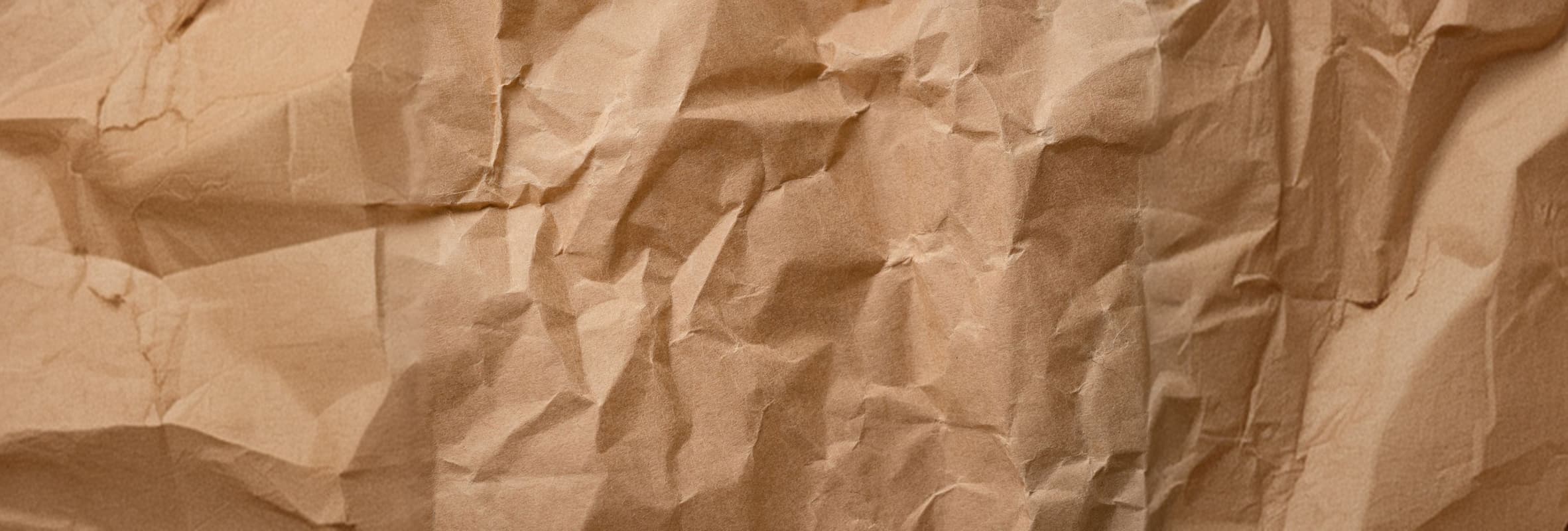
Using neutral palettes—warm grays, linen beiges—paired with structured lines reminiscent of high-quality paper, offers the eyes a place to rest. This pixelated grit acts as a shield against information overload. When a user perceives the subtle shadow of a layer or the microscopic grain of paper on their screen, they intuitively feel safe. This is the hallmark of human intention—something no algorithm can authentically mimic.
Typography as Architecture
In the Tactile Web, fonts are more than just vessels for text; they are architectural forms. Moving away from flashy effects, the weight and personality of the characters carry the entire experience. There is a specific kind of magic when a well-proportioned typeface sits on a textured surface—it feels as though it were ink pressed into heavy linen. This gives words a sense of "sponsorship." A company that speaks through such a format doesn't need motion effects to mask its weaknesses; it exudes confidence through silence.
Radical Minimalism: The Art of Subtraction
Many still mistake minimalism for "emptiness." But in 2026, minimalism is the art of intelligent selection. The real skill isn't in what we add, but in what we have the courage to leave out.
In the Tactile Web, whitespace isn't just structural; it is the material itself. When we strip away the noise—the unnecessary gradients and multi-layered shadows—thin, precise geometric lines emerge, reminiscent of architectural blueprints or vintage magazine layouts. Here, the web becomes a human experience again. It’s an experience that respects the user's intelligence and time. We are no longer begging for attention; we are commanding it through quiet dignity.
A Final Thought: An Invitation to Pause
If you are designing digital platforms today, I encourage you to step away from the allure of the "fast and glossy." Let’s build websites that, much like an old book, feel richer the longer you interact with them. Let’s move away from digital carnival grounds and create spaces for thought and stillness. Perhaps this is the only way to earn trust in a world that never stops moving. Ultimately, authenticity isn't found in complex technology—it's found in the honest, intentional simplicity of our work.