
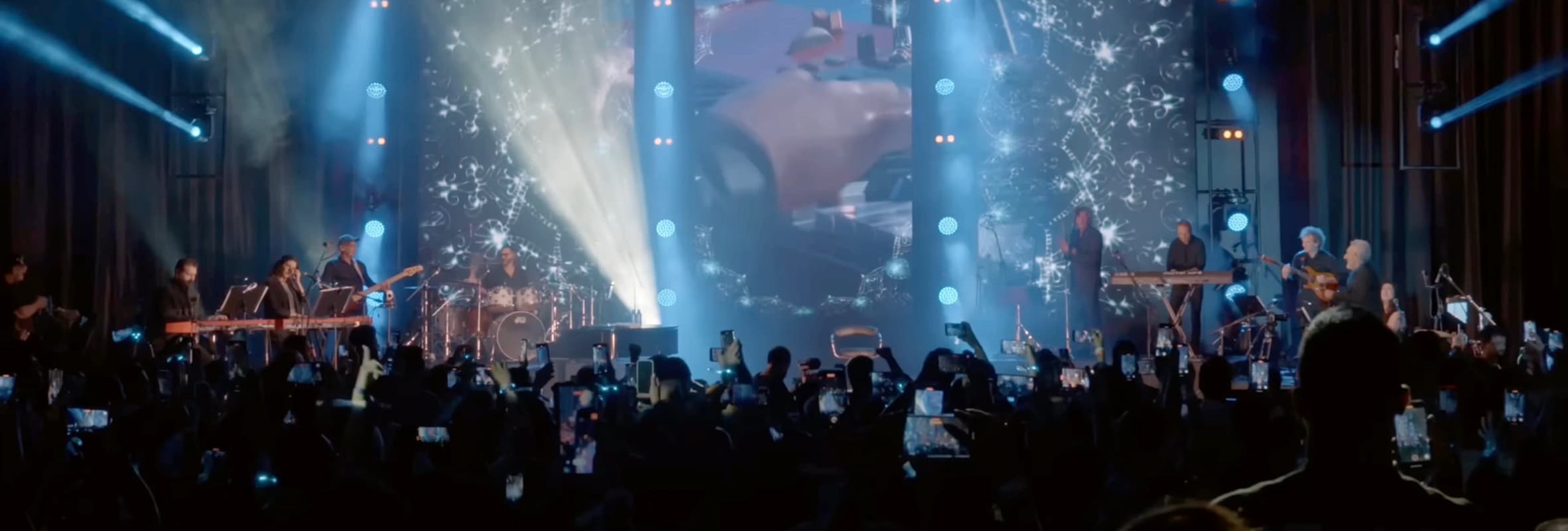
Designing Ticket Ecosystem
Streamlining the ticket purchasing flow and empowering organizers through a platform featuring dynamic financial logic, interactive native advertising, and a multilingual architecture.
Context & Overview
This project aimed to simplify a complex three-sided marketplace with intricate financial logic and cross-border payment infrastructure tailored for the diaspora community in Europe. The core design focus was on reducing cognitive load during checkout flows while structurally empowering event organizers.
- Problem
- Hidden fees, unpredictable payouts
- Approach
- Clear pricing, scheduled settlements
- Outcome
- Revenue from ads, not surprise fees
- Role: Senior Product Designer & Design QA
- Deliverables: End-consumer website, dedicated organizer dashboards, secondary monetization modules (integrated advertising), electronic tickets, and a comprehensive custom design system.
Problem Statement & Structural Challenges
The core challenge was simplifying a platform with two primary target audiences (concert promoters and ticket buyers) featuring complex financial, multi-lingual, and operational logic. Beyond streamlining the purchase flow and simplifying event management, the system needed to resolve the following challenges:
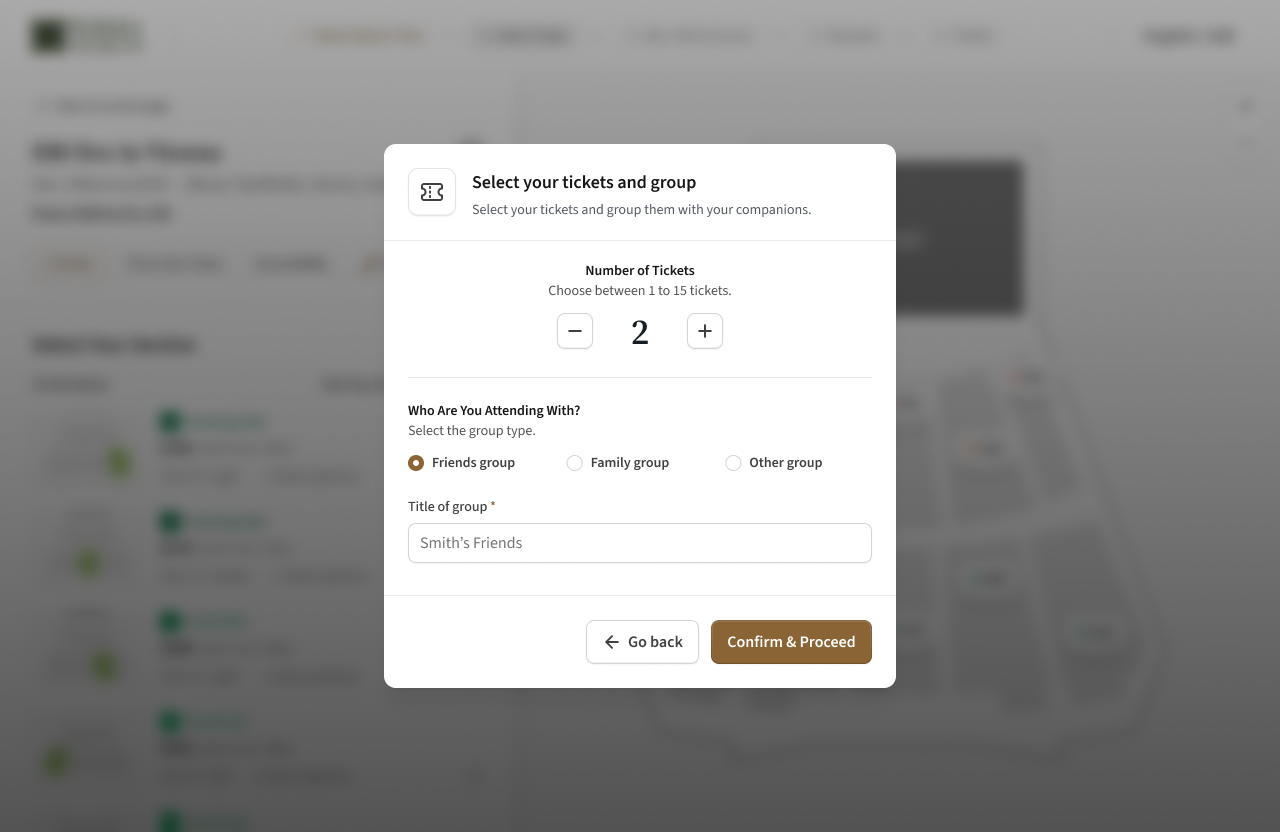
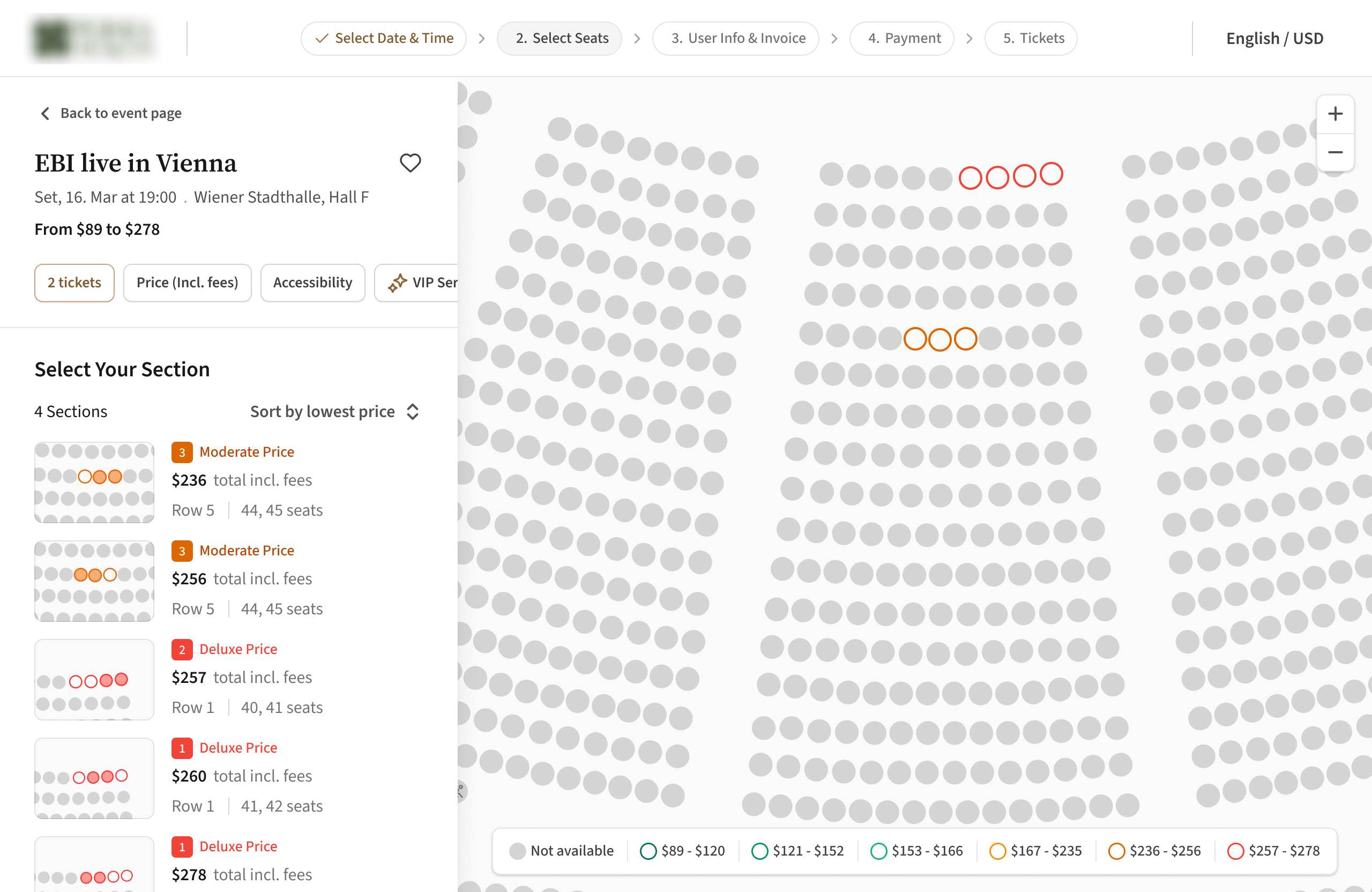
- Seat Sales Optimization Algorithm: The client's primary concern was minimizing orphan seats (isolated empty seats) at the ends or middle of rows. In close collaboration with the engineering team, we designed selection logic that guided users toward optimal seat choices without imposing heavy computational loads on the server.
- Native Revenue-Sharing Model: The client aimed to generate revenue through ad placements and share these profits with event promoters via their dedicated event pages—without compromising the end-user’s purchasing experience.
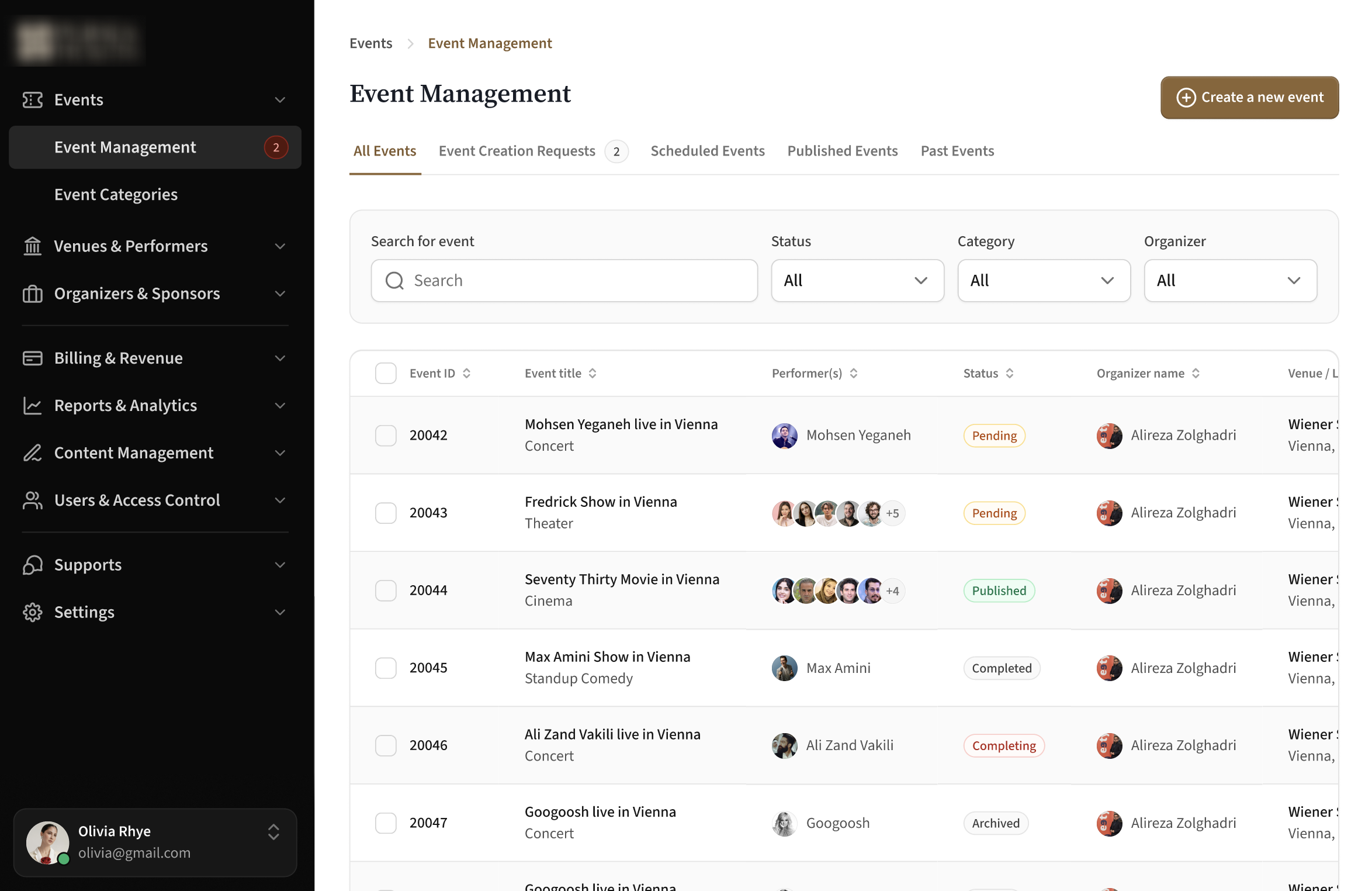
- Promoter Operational Autonomy: Designing a comprehensive dashboard for independent event creation, dynamic pricing strategies (seat-by-seat, row-by-row, or block-based), real-time sales tracking, and financial settlements.
- Decoupling Venue Management from Event Creation: Separating venue configuration from event setup; venue details and seating maps were defined once by platform operators, allowing promoters to automatically load the seating layout onto their event page simply by selecting the venue name.
Insights & Market Gap Discovery
To uncover friction points within the target audience and de-risk design decisions, we analyzed user behaviors on international reference platforms and interviewed key stakeholders. This research yielded three core insights:
- Trust Erosion via Hidden Fees: A significant portion of buyers expressed frustration over unexpected handling fees appearing only at the final checkout step.
- Solution: Surface absolute, transparent pricing from the very first step of the flow.
- Convoluted Post-Purchase Support: Ticket modifications, transfers, or refunds were highly friction-ridden for users, creating immense customer support overhead.
- Solution: Design an automated self-service refund and transfer module directly within the user profile.
- Organizer Financial Ambiguity: Organizers' biggest pain points were unpredictable cash flow and delayed settlement cycles.
- Solution: Establish an analytics-driven dashboard providing live sales metrics and transparent payout schedules.
Interactive Native Advertising
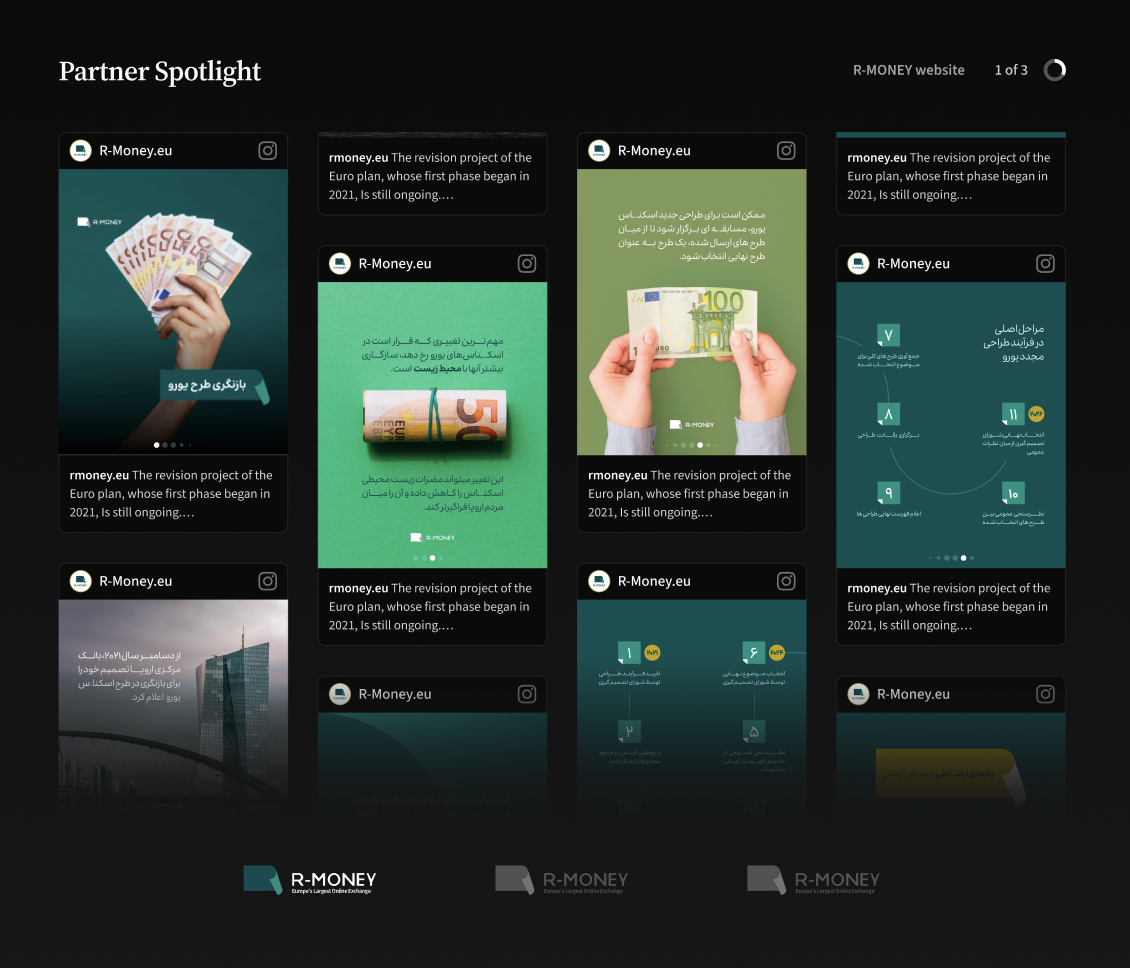
Introducing advertisements into a minimal, design-led platform poses a severe threat to the user experience. To mitigate this risk, I bypassed intrusive traditional banner ads in favor of Interactive Native Ads:
- Contextual Placement: Ad units were woven directly into neutral touchpoints along the user journey (such as offering partner parking vouchers or nearby cafe reservations on the ticket confirmation view). This turned ads into value-added suggestions rather than interruptions.
- Visual Consistency Over Clutter: Ad components were styled using the platform’s core design system tokens (grids, typography, and spacing). This ensured ad placements felt like an organic part of the editorial content rather than intrusive visual noise.
Scope Management & Team Transition
Midway through the timeline, the front-end engineering team transitioned out, and the incoming team possessed a highly distinct technical stack and capabilities. To de-risk the launch and secure a timely MVP delivery, I executed the following:
- Strategic De-scoping: I immediately audited the entire design system and interactive flows, deferring non-essential features to secondary post-launch phases and simplifying core interactions to align with the new technical scope.
- Stakeholder Alignment: I presented this reprioritization framework to the project manager and client. Securing full buy-in prevented project stagnation and ensured a high-fidelity MVP without architectural technical debt.
Dedicated Design System & Variables Engineering
A platform of this scale requires a robust visual infrastructure to scale efficiently. To ensure visual consistency and technical scalability:
Multilingual Adaptability & Bi-directional Architecture
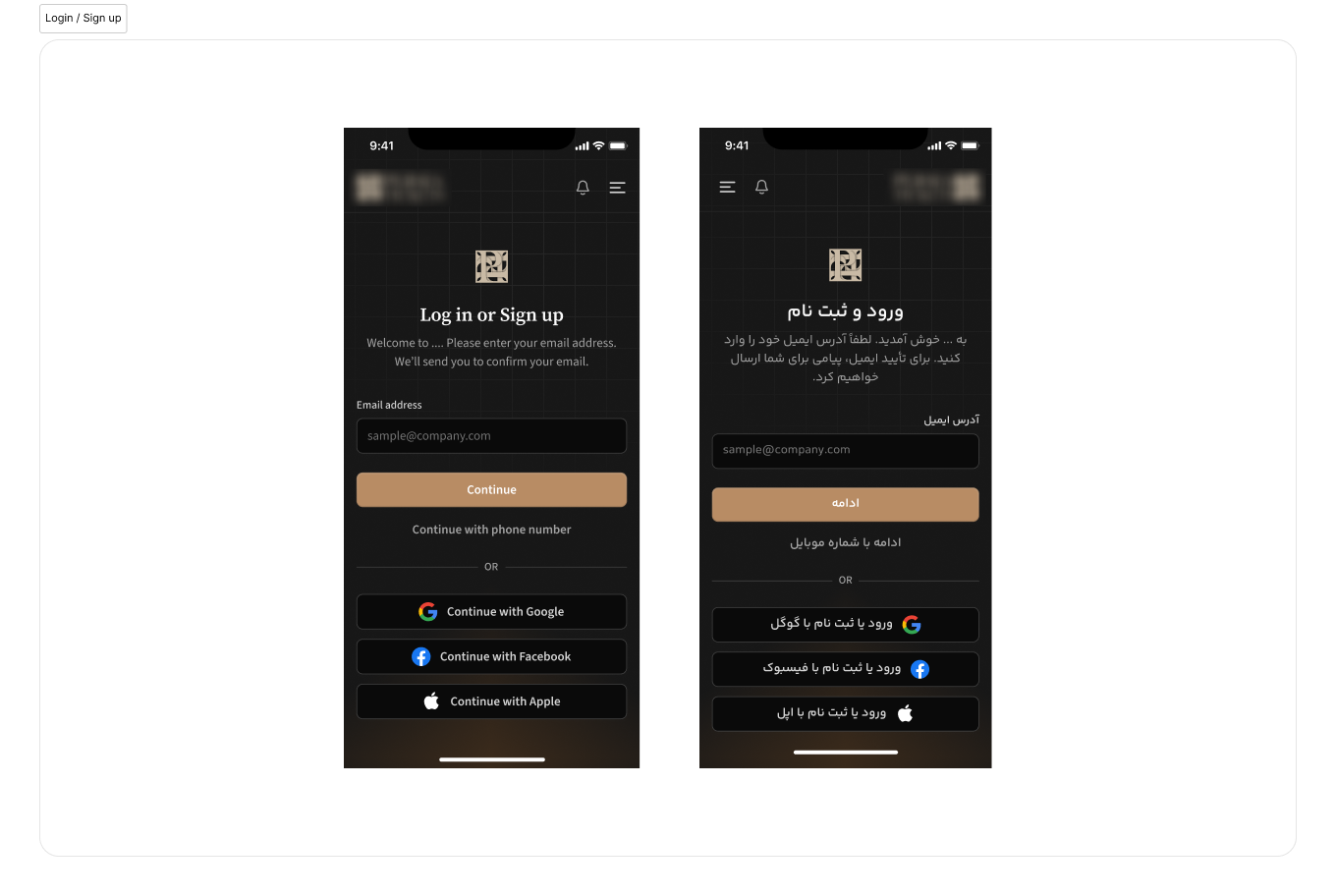
The ecosystem was designed to seamlessly support four languages (English, German, Persian, and Arabic). To manage layout direction shifts and preserve visual balance:
- Targeted RTL Validation: Rather than redundantly redesigning every page, high-risk layouts most susceptible to direction-switch issues were selectively prototyped and tested in RTL. This validated system flexibility, ensured grid resiliency, and provided stakeholders with an accurate visual preview without unnecessary overhead.
- Multilingual Typography Engineering: Optimization of grids, spacing, and font metrics to ensure that switching scripts from Latin to Arabic/Persian maintains structural stability, alignment, and the minimal aesthetic of the interface.
Engineering Collaboration & Design QA
- Seating Data Modeling: Collaborated closely with the lead back-end engineer to map out complex interactive seating arrays within structured JSON schemas, ensuring that backend APIs natively matched front-end UI requirements.
- Direct Front-End Contribution: To optimize engineering bandwidth, I personally authored and delivered production-ready HTML/CSS layouts for transactional emails and electronic ticket receipts.
- Design QA Framework: Instituted a strict Design QA process on the staging environment, utilizing custom Acceptance Criteria checklists per component to ensure the finalized MVP went live with pixel-perfect fidelity to the design source.
Outcomes & Reflection
This project concluded with the complete design and development of an ecosystem ready for operational launch, leaving the public deployment timeline to the client's strategic discretion. For me, this process redefined how design adaptability directly serves business goals in real-world development environments.
Key Deliverable Achievements:
- Market-Ready Product & Prioritized Core Roadmap: Despite scope adjustments following the front-end team transition, all primary features and core acceptance criteria were strictly defined, designed, and fully developed, delivering a complete, production-ready version.
- Scalable Architecture & Frictionless Handover: The design system, assets, and documentation were structured specifically for effortless scale-up, enabling future design phases to expand without predictable friction or visual design debt.
- Business Goals & User Experience Alignment: Native revenue models and seat optimization algorithms were successfully implemented, satisfying key commercial objectives within a refined, minimal user experience.
This project taught me that when plans shift unexpectedly, flexibility is paramount. True product ownership means making decisions aligned with the project's ultimate success and business goals—even when it demands extra effort, intelligent design simplification, or setting strict new benchmarks for planning.